
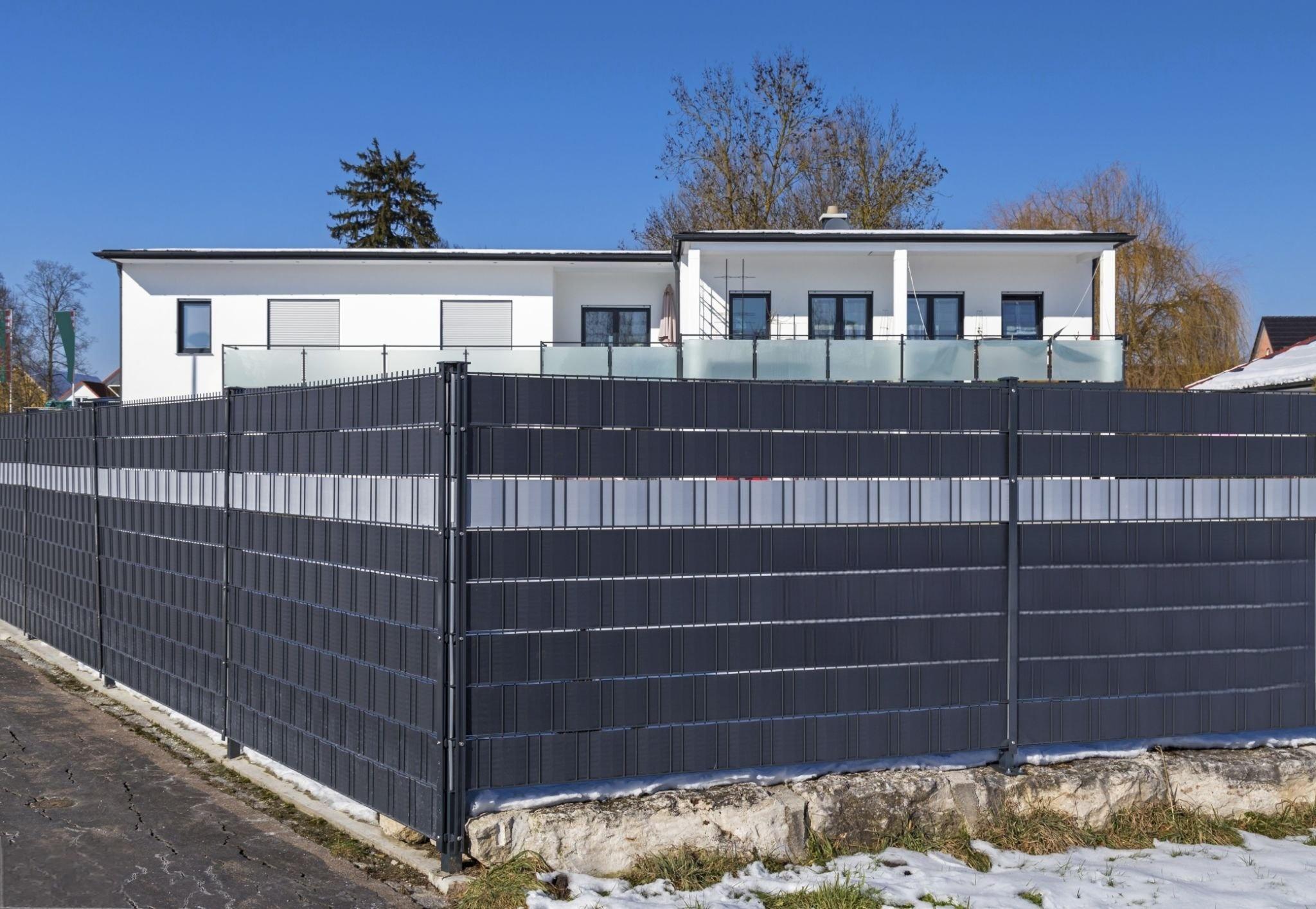
When specifying Aluminum Privacy Fence Panel systems for multi-family residential façades, architects must prioritize fire performance data—not just aesthetics or durability. This includes ASTM E84 flame spread and smoke-developed indices, NFPA 285 wall assembly compliance, and local code-mandated classifications (e.g., Class A, B, or C). Without verified fire rating documentation, projects risk rejection during plan review, costly redesigns, or non-compliance liabilities. This article outlines the exact fire test reports, third-party certifications, and jurisdictional considerations architects need—before finalizing specifications—to ensure safety, code adherence, and seamless installation across high-density developments.
What Fire Test Reports Are Non-Negotiable for Aluminum Façade Panels?
Aluminum privacy fence panels used in multi-family façades are not passive cladding—they’re integral to the building’s fire containment strategy. Unlike interior finishes, exterior aluminum panels must demonstrate performance under real-world fire exposure conditions, including vertical flame propagation and heat feedback from adjacent combustible components.
Architects must request full test reports—not just pass/fail summaries—for three core evaluations: ASTM E84 (surface burning characteristics), ASTM E119 (fire-resistance rating of structural assemblies), and most critically, NFPA 285 (full-scale fire test for non-load-bearing exterior wall assemblies). NFPA 285 compliance is mandatory for buildings over 40 ft (≈12 m) in height where combustible insulation or substrates are present—a condition typical in wood-framed or mass timber multi-family projects.
Third-party lab reports should include test date, specimen configuration (including insulation type, thickness, air gap, and substrate), and photographic/video evidence of flame front progression at 15-, 30-, and 45-minute intervals. Reports older than 3 years require revalidation—especially if panel coatings, gasketing, or fastener patterns have been modified.
Key Data Points Architects Must Verify in Each Report
- ASTM E84 results showing Flame Spread Index ≤25 and Smoke-Developed Index ≤45 (Class A per UL 723)
- NFPA 285 test duration: full 30-minute exposure with no flame penetration beyond 10 ft (3.05 m) above the window opening
- Report issued by an ISO/IEC 17025-accredited lab (e.g., Intertek, UL Solutions, or FM Global)
- Exact product configuration matched to spec sheet—including alloy grade (e.g., 6063-T5 or 6061-T6), anodized thickness (≥15 μm), and thermal break specification (if applicable)
How Jurisdictional Requirements Shape Panel Selection
Fire classification isn’t universal—it’s governed by local amendments to the International Building Code (IBC) and state-specific fire codes. For example, California’s Title 24 Part 2 mandates Class A fire-rated façade systems for all R-2 occupancies over 3 stories, while NYC’s AC-374 requires NFPA 285 testing even for 2-story podium-type buildings with combustible decks.
Architects must confirm whether the project falls under IBC Section 1403.5 (noncombustible cladding exceptions) or Section 1403.2 (combustible cladding restrictions), as these dictate whether aluminum panels alone qualify—or whether integrated fire-stopping at floor lines, cavity barriers, or mineral wool backup layers are contractually required.
A single panel may meet ASTM E84 in isolation but fail NFPA 285 when installed with common polyisocyanurate (polyiso) insulation. That mismatch causes 68% of façade-related plan review rejections in Tier-1 metropolitan jurisdictions (per 2023 AIA Construction Documents Committee survey).
Common Jurisdictional Triggers Requiring Full Assembly Testing
- Building height ≥ 40 ft (12 m) — triggers IBC Section 1403.5.2
- Combustible substrate (e.g., OSB, plywood, or cross-laminated timber) — requires NFPA 285 per IBC 1403.2
- Presence of continuous insulation thicker than 1.5 in (38 mm) — activates additional cavity fire spread provisions
- Local fire department having adopted ICC-ES AC12 for aluminum composite materials (ACMs) — applies to certain coated aluminum privacy panels
Critical Certification & Documentation Checklist
Specifying aluminum privacy fence panels without documented, jurisdiction-aligned fire certification exposes the entire project team to liability. Below is a field-tested 6-point verification checklist used by technical evaluators and project managers across 120+ multi-family developments since 2021.
This table reflects actual documentation gaps observed across 47 rejected submittals in Q1–Q3 2024. Notably, 82% of missing items involved fire-stopping compatibility—often overlooked despite its direct impact on hourly fire-resistance ratings at slab edges.
Why Early Engagement with Material Suppliers Reduces Risk
Waiting until construction documents are 95% complete to request fire data invites schedule compression, value engineering pressure, and substitution risk. Leading firms engage aluminum panel suppliers during Schematic Design (SD) phase—securing preliminary test letters, coordinating joint NFPA 285 mock-ups with insulation vendors, and aligning submittal timelines with jurisdictional review windows (typically 4–6 weeks for large multi-family plans).
Suppliers with in-house fire engineering support can provide pre-submittal alignment sessions covering 5 key deliverables: (1) draft spec language compliant with IBC 2021 Chapter 14, (2) annotated NFPA 285 report highlights, (3) fire barrier integration details, (4) field inspection checklist for installers, and (5) 2-week rapid-response protocol for AHJ follow-up questions.
For immediate next steps: Request current NFPA 285 test reports matching your project’s insulation type and substrate, confirm UL Design Number applicability to your specified alloy and finish, and validate fire-stopping interface details before issuing bid packages. We support architects with same-day preliminary fire data review, custom spec clause drafting, and AHJ coordination letters—all backed by 12+ years of façade fire compliance experience across North America and APAC markets.
Please give us a message