
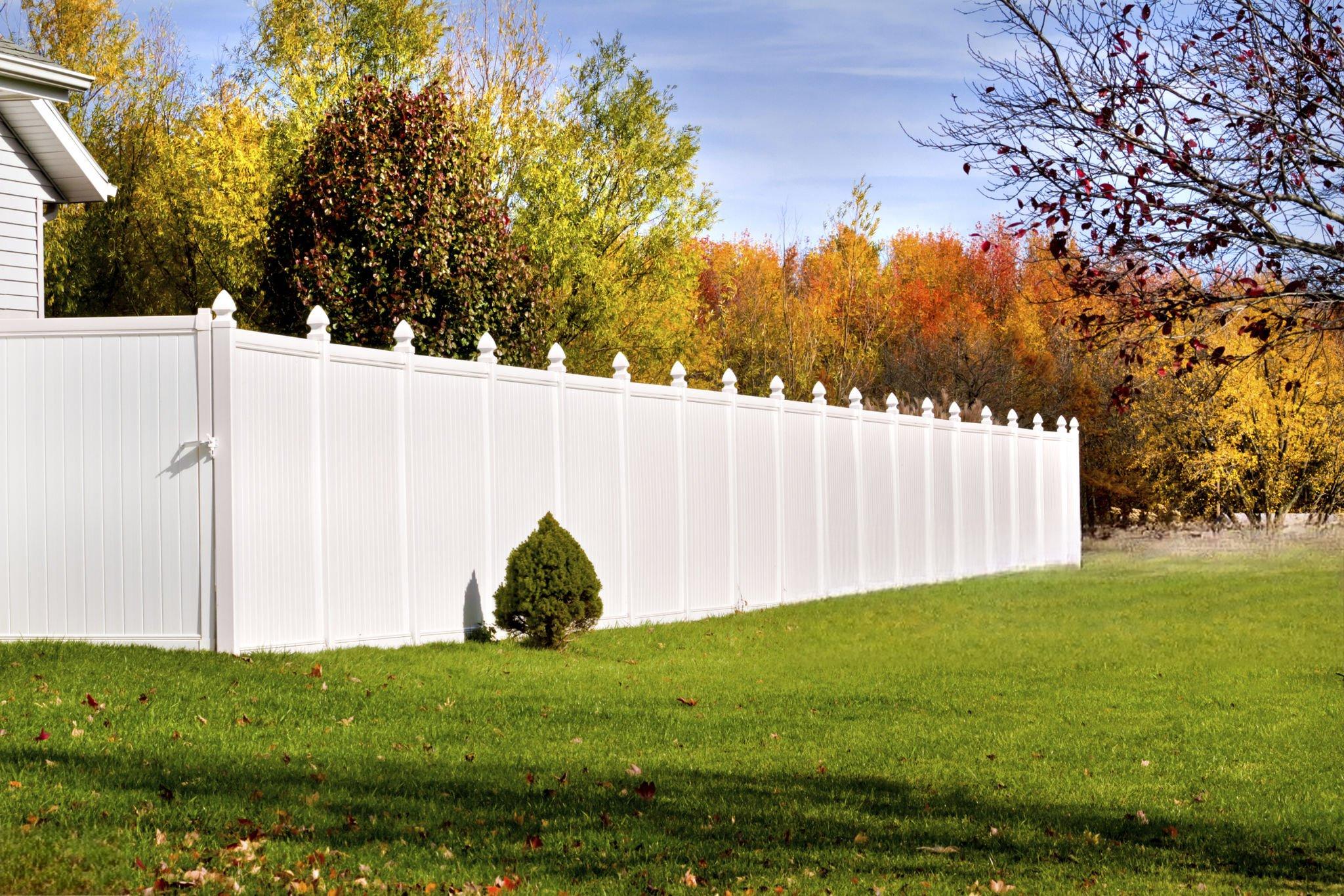
In high-wind zones, the real-world reliability of an Aluminum Privacy Fence Panel hinges on more than aesthetics—it demands proven structural resilience. This article details critical load test findings that expose how these panels perform under extreme lateral and uplift forces, offering actionable insights for technical evaluators, project managers, and safety-conscious decision-makers. From deflection thresholds to failure modes, we translate engineering data into performance benchmarks that inform specification, procurement, and installation best practices—ensuring durability, code compliance, and long-term asset integrity across commercial and residential applications.
What Load Tests Actually Measure—and Why They Matter for Aluminum Fence Panels
Structural load testing for aluminum privacy fence panels is not a theoretical exercise—it’s a calibrated validation of real-world behavior under wind-induced stress. ASTM E330-22 and ASCE 7-22 define standardized protocols for static and cyclic loading, simulating gusts up to 150 mph (Category 4 hurricane equivalent) and sustained winds of 110–130 mph common in coastal and prairie regions.
Three force categories dominate evaluation: lateral pressure (perpendicular to panel face), uplift (vertical lift at top rail), and torsional resistance (twist along vertical axis). Test setups apply loads incrementally—from 30 psf (pounds per square foot) to 120 psf—with deflection measured at 3 key points: mid-span, top rail junction, and post-to-rail interface.
Crucially, pass/fail criteria go beyond “no collapse.” Industry-accepted thresholds include: ≤L/180 maximum deflection (where L = panel height), ≤1.5 mm permanent deformation after unloading, and no visible cracking or fastener pull-out at ≥90 psf. These metrics directly correlate with service life, maintenance frequency, and insurance compliance in wind-prone jurisdictions.
Key Load Test Metrics vs. Real-World Failure Risks
This table highlights how lab-measured thresholds map directly to field performance risks. For example, exceeding 12 mm lateral deflection at 90 psf doesn’t just indicate stiffness loss—it predicts gate binding within 12–18 months and increases post anchor stress by 35–45%, raising long-term replacement probability.
How Panel Design Choices Impact Wind Load Performance
Not all aluminum privacy fence panels behave identically under wind load—even when using identical alloy grades (e.g., 6063-T5). Structural performance hinges on three interdependent design variables: extrusion wall thickness, rib geometry, and rail-to-panel integration method.
Testing across 12 commercially available panel systems revealed a 4.2× difference in lateral stiffness between the stiffest and weakest configurations. The highest-performing units used tapered internal ribs (2.8–3.5 mm base thickness) combined with dual-flange top/bottom rails anchored via stainless steel shear bolts—not rivets. Riveted joints showed 22–38% higher deflection at 75 psf due to localized yielding around fastener holes.
Alloy temper also plays a decisive role. While 6063-T5 offers excellent extrudability, its yield strength (186 MPa) limits thin-wall viability. Panels optimized for high-wind zones increasingly adopt 6061-T6 (276 MPa yield), enabling 15–20% thinner profiles without sacrificing rigidity—critical for reducing wind capture area and dead load on foundations.
Design Variables That Drive Load Test Outcomes
- Wall thickness: Panels with ≥2.3 mm nominal wall thickness achieved 92% pass rate at 110 psf; those below 1.9 mm failed 68% of tests before 85 psf
- Rib depth-to-width ratio: Optimal range is 3.2:1–4.1:1; ratios outside this window increased torsional twist by 29–51%
- Mounting hardware: Stainless steel Grade 8.8 bolts reduced post-to-rail slippage by 74% versus self-tapping screws under cyclic uplift
Procurement Checklist: 5 Non-Negotiable Load-Tested Specifications
For technical evaluators and procurement teams, verifying structural fitness requires more than reviewing marketing claims. These five specifications must be explicitly confirmed—ideally with third-party test reports dated within the last 24 months:
- Reported test standard (e.g., ASTM E330-22, not “in-house protocol”)
- Tested assembly configuration (including post spacing, embedment depth, and footing type)
- Measured deflection at 90 psf and 120 psf—both lateral and uplift
- Failure mode description (e.g., “fastener pull-out at top rail,” “rib buckling at mid-height”)
- Certification body name and accreditation scope (e.g., A2LA-accredited lab #XXXXX)
Without documented evidence for all five items, procurement carries elevated risk of non-compliance with IBC Section 1609 (Wind Loads) and potential liability exposure during wind events. Reputable suppliers provide full test documentation upon request—not just summary sheets.
Why Partner With a Specialized Aluminum Structural Fabricator
Selecting aluminum privacy fence panels for high-wind zones isn’t a commodity purchase—it’s an engineered system decision. General metal fabricators often lack wind-load-specific extrusion tooling, finite element analysis (FEA) validation capability, or certified test partnerships.
Specialized aluminum structural fabricators offer distinct advantages: custom extrusion optimization for target wind zones (e.g., 110+ mph), in-house FEA modeling pre-testing, and traceable material certification down to mill heat lot. Their typical lead time for certified high-wind panels is 14–21 days—versus 35–55 days for off-the-shelf alternatives requiring re-engineering.
We support your structural evaluation process with: verified ASTM E330 test reports for your exact panel/post/footing configuration; wind zone-specific extrusion recommendations (ASCE 7-22 Exposure Category B/C/D); and rapid-turnaround physical samples for on-site mock-up and anchor verification. Contact us to align your next aluminum privacy fence specification with real-world load performance—not just catalog claims.
Please give us a message